· Jane Iamias · best practices for knowledge management · 22 min read
10 Best Practices for Knowledge Management in 2025
Discover the top best practices for knowledge management. Our 2025 guide covers governance, AI, and metrics to build a powerful enterprise knowledge base.
In today’s fast-paced enterprise environment, the ability to effectively manage security, compliance, and operational knowledge isn’t just an advantage-it’s a necessity. Teams are constantly battling information silos, outdated documents, and the slow, manual process of answering security questionnaires, which can stall crucial deals. A structured approach to knowledge management transforms this chaotic landscape into a strategic asset. By centralising and optimising how your organisation captures, shares, and updates its collective intelligence, you can accelerate sales cycles, strengthen compliance, and empower every team member with the accurate information they need, precisely when they need it.
This article moves beyond generic advice to deliver a comprehensive, actionable roundup of the top ten best practices for knowledge management. We will explore practical strategies tailored for the unique demands of security and compliance workflows, focusing on building a resilient and evergreen knowledge base. You will learn how to establish robust governance, streamline sourcing of policies and standard operating procedures (SOPs), and ensure traceability for every piece of information.
We will cover specific implementation details for everything from parsing complex spreadsheets and documents to deploying automated quality assurance checks that provide clear confidence signals. Furthermore, this guide details how to structure effective review workflows, manage onboarding and content migration, and implement metrics to measure the true effectiveness of your knowledge hub. Each practice is designed to be directly applicable, helping you turn your organisational knowledge from a disorganised liability into your most powerful competitive advantage. Get ready to build a system that not only answers questions but also anticipates them, ensuring your teams are always prepared, compliant, and ready to close.
1. Solidify Governance and Ownership from Day One
Before a single document is uploaded, establishing a clear governance framework is the most critical of all best practices for knowledge management. This foundational step involves defining precisely who is responsible for the accuracy, maintenance, and accessibility of specific knowledge domains. Without it, your knowledge base risks becoming a ‘digital attic’ filled with outdated, conflicting, and untrustworthy information.
A robust governance model ensures accountability and prevents the content decay that plagues many enterprise systems. It builds trust among users, who can be confident that the information they find is current, approved, and reliable. This is especially vital for security and compliance teams, where the cost of using outdated policy information can be significant.
How to Implement a Governance Framework
Start by creating a tiered ownership structure. This approach clarifies responsibilities and streamlines decision-making, ensuring every piece of knowledge has a designated custodian.
- Domain Owners: Assign high-level subject matter experts (SMEs), such as a Head of Information Security or a Director of Compliance, to oversee entire knowledge categories (e.g., ‘ISO 27001 Controls’, ‘GDPR Policies’). They are ultimately accountable for the strategic direction and overall integrity of their domain.
- Content Stewards: Appoint individuals or teams responsible for the day-to-day creation, review, and updating of specific articles or documents within a domain. A security analyst, for instance, might be the steward for the ‘Incident Response Plan’.
- Reviewers and Approvers: Define a clear workflow for who must review and formally approve new or updated content before it is published. This ensures accuracy and organisational alignment.
Key Insight: A well-defined governance structure isn’t about bureaucracy; it’s about creating clear pathways for responsibility. When someone asks, “Who owns this policy?” the answer should be immediate and unambiguous. This clarity transforms a passive content repository into a dynamic, reliable source of truth.
2. Implement Communities of Practice (CoPs)
While a formal governance structure sets the rules, fostering Communities of Practice (CoPs) injects life and collaborative energy into your knowledge management strategy. A CoP is a group of people who share a concern or a passion for something they do and learn how to do it better as they interact regularly. This peer-to-peer knowledge sharing is one of the most effective best practices for knowledge management, as it captures tacit, experience-based wisdom that formal documentation often misses.
Unlike formal teams, CoPs are organised around a shared domain of expertise, such as ‘Cloud Security Architecture’ or ‘Vendor Risk Management’. They create a trusted space for practitioners to solve problems, share insights, and innovate. For security and compliance teams, this means a security analyst can quickly validate an approach with peers or a GRC manager can learn about a new auditing technique, enriching the organisation’s collective intelligence and resilience.
How to Cultivate Communities of Practice
To launch successful CoPs, focus on providing a supportive framework rather than imposing rigid control. The goal is to facilitate organic collaboration and knowledge exchange among experts.
- Secure Executive Sponsorship: Gain support from a leader who champions the CoP’s value. This lends credibility and helps secure resources, like dedicated time for members to participate.
- Facilitate, Don’t Dictate: Appoint a facilitator to help organise meetings, manage communication channels (e.g., a Slack channel or Teams group), and guide discussions. However, allow the community members to drive the agenda based on their immediate challenges and interests.
- Document and Disseminate Learnings: Encourage the community to capture key takeaways, solutions, and best practices. These insights should then be formalised and integrated into the official knowledge base, ensuring valuable peer-driven knowledge is preserved and accessible to the entire organisation.
Key Insight: Communities of Practice transform knowledge management from a top-down, static activity into a dynamic, living process. They build the connective tissue between formal policies and on-the-ground expertise, ensuring your knowledge base reflects not just what is documented, but what is actually practised.
3. Create a Knowledge Management Culture
Even the most sophisticated knowledge base will fail if employees don’t actively use and contribute to it. This makes fostering a supportive culture one of the most essential best practices for knowledge management. It involves cultivating organisational values and behaviours that prioritise knowledge sharing, continuous learning, and collaborative problem-solving, transforming how your team interacts with information.
A strong knowledge culture moves your organisation beyond simply storing documents to actively leveraging collective intelligence. It encourages curiosity and makes seeking and sharing expertise a natural part of daily workflows, rather than a chore. For security and compliance teams, this means proactive risk identification and faster, more consistent responses to customer queries and audits. To effectively vouch for the credibility of your organisational knowledge, exploring modern citation analysis tools for proving authority in AI search can be highly beneficial, ensuring information is recognised for its authority.
How to Nurture a Knowledge Culture
Building a culture of sharing requires consistent effort and reinforcement from leadership down. It’s about creating an environment where contributing knowledge is both valued and expected.
- Lead by Example: Senior leaders and managers must actively model knowledge-sharing behaviours. When they ask questions publicly, contribute to the knowledge base, and reference it in decisions, it signals that this is a priority.
- Recognise and Reward Contributions: Publicly celebrate employees who contribute valuable insights, update critical policies, or help colleagues by sharing their expertise. Tie knowledge management activities to performance reviews to formalise their importance.
- Allocate Time for Learning: Dedicate time in schedules for teams to document processes, share learnings from projects, and explore the knowledge base. This shows that the organisation invests in these activities.
- Create Psychological Safety: Staff must feel safe to ask questions, admit they don’t know something, and share lessons from failures without fear of blame. This safety is the bedrock of a genuine learning organisation.
Key Insight: A knowledge management tool is just a platform; a knowledge culture is a mindset. The goal is to make sharing expertise as natural as sending an email. When employees see their contributions as a vital part of the team’s success, the knowledge base becomes a living, breathing asset.
4. Implement Mentorship and Apprenticeship Programs
Beyond documents and databases, some of the most valuable organisational knowledge resides within your experienced employees. Implementing mentorship and apprenticeship programmes is one of the most effective best practices for knowledge management for transferring this tacit, experience-based wisdom that cannot be easily written down. This human-centric approach turns seasoned experts into living knowledge assets.
These programmes create a structured channel for passing on nuanced skills, institutional history, and critical thinking processes from one generation of employees to the next. By pairing experienced mentors with mentees, organisations can preserve deep-seated expertise and cultivate a culture of continuous learning and development, which is vital for long-term resilience and innovation.
How to Implement Mentorship Programmes
A successful programme requires more than just making introductions. It demands a thoughtful structure to facilitate meaningful knowledge transfer and professional growth.
- Formalise the Matching Process: Match mentors and mentees based on specific development goals, skill gaps, and professional compatibility. Use surveys or interviews to understand what each participant hopes to achieve.
- Provide Mentor Training: Equip your mentors with the necessary skills for effective coaching. Offer training on active listening, providing constructive feedback, and setting clear, achievable goals with their mentees.
- Establish Clear Guidelines: Create a simple framework outlining expectations for both parties, such as meeting frequency, confidentiality, and the overall objectives of the relationship. This prevents ambiguity and ensures everyone is aligned.
- Recognise and Reward Participation: Acknowledge the significant contribution of your mentors. Recognise their efforts in performance reviews or through company-wide announcements to encourage broader participation and value their commitment.
Key Insight: Mentorship is the most potent tool for transferring tacit knowledge-the ‘how’ and ‘why’ that policies and procedures often miss. It’s not just about teaching tasks; it’s about passing on the wisdom, context, and problem-solving instincts that define true expertise.
5. Utilize Documentation and Standardization
Formalising knowledge through standardised documentation is one of the most effective best practices for knowledge management. This involves creating consistent formats and templates for recording processes, decisions, and standard operating procedures (SOPs). Without standardisation, knowledge becomes fragmented and inconsistent, making it difficult for teams to find, understand, and apply information reliably.
A standardised approach ensures clarity and reduces ambiguity, which is paramount in security and compliance contexts. When every procedure follows a predictable structure, users can quickly locate critical information, and auditors can easily verify process adherence. This methodology, popularised by frameworks like ISO 27001 and LEAN management, transforms tribal knowledge into a scalable, organisational asset.
How to Implement Documentation and Standardisation
Begin by developing a core set of templates for your most common knowledge assets, such as policies, procedures, and incident response plans. This ensures that all new content is created with a consistent structure and includes all necessary information from the outset.
- Create Centralised Templates: Design and store master templates for different document types. A well-designed template can streamline the entire compliance documentation process. For comprehensive quality control, a focus on continuous quality assurance process improvement is indispensable.
- Assign Documentation Owners: Just as with governance, every standardised document needs a designated owner responsible for keeping it accurate and up-to-date. This accountability prevents documentation from becoming stale.
- Balance Standardisation with Flexibility: While templates provide structure, allow for sections that can be adapted to specific contexts. The goal is consistency, not rigidity that stifles practical application.
- Document the ‘Why’: Ensure your standards require authors to include the reasoning behind a process, not just the steps. Understanding the purpose helps with adoption and intelligent adaptation when unforeseen circumstances arise.
Key Insight: Standardisation is not about creating restrictive bureaucracy; it’s about creating a common language for your organisation’s knowledge. A consistent format makes information more predictable, accessible, and trustworthy, which is the cornerstone of a successful knowledge management system.
6. Leverage Technology and Knowledge Management Systems
While strong governance provides the blueprint, technology provides the engine to power your knowledge management strategy. Implementing a dedicated Knowledge Management System (KMS) is one of the most impactful best practices for knowledge management because it transforms static documents into a dynamic, searchable, and integrated source of truth. Without the right platform, even the best-organised knowledge remains siloed and difficult to access, undermining user adoption and efficiency.
A purpose-built KMS automates tedious tasks, enables seamless collaboration, and provides critical analytics on content usage and effectiveness. For security and compliance teams, this means faster access to approved policies, consistent answers for security questionnaires, and a centralised hub for all regulatory evidence. It moves knowledge from disparate folders and spreadsheets into a living, breathing ecosystem.

How to Implement a Knowledge Management System
Choosing and implementing a KMS requires a strategic approach focused on integration, usability, and long-term value. The goal is to select a tool that enhances, not complicates, your existing workflows. A well-selected system should feel like a natural extension of your team’s daily operations.
- Integrate with Existing Workflows: Select a system that connects seamlessly with the tools your team already uses, such as Slack, Microsoft Teams, Jira, or your CRM. This reduces friction and encourages adoption by bringing knowledge directly into the flow of work.
- Prioritise User Experience (UX): A clunky, difficult-to-navigate interface is the fastest way to kill user engagement. Ensure the platform has a powerful, intuitive search function and a clean, user-friendly design.
- Implement Robust Security Controls: For security and compliance knowledge, granular access controls are non-negotiable. The system must allow you to define who can view, edit, and approve specific content based on roles and responsibilities.
- Provide Comprehensive Training: Even the most intuitive system requires proper onboarding. Develop a training plan and provide ongoing support to ensure every user understands how to find, use, and contribute to the knowledge base effectively. If you’re looking for an in-depth resource, learn more about what a knowledge management system is and how to choose the right one.
Key Insight: The right technology acts as a force multiplier for your knowledge management efforts. It’s not just a digital filing cabinet; it’s a strategic asset that makes knowledge accessible, actionable, and intelligent, directly enabling teams to respond faster and more accurately.
7. Create Regular Knowledge-Sharing Sessions
A knowledge base is a repository for explicit knowledge, but much of an organisation’s most valuable wisdom is tacit, held within the experiences of its people. One of the most effective best practices for knowledge management is to formalise the transfer of this tacit knowledge into explicit, documented assets through structured knowledge-sharing sessions.
These routines, such as internal tech talks or departmental “lunch and learns,” create a living, breathing component to your knowledge ecosystem. They prevent knowledge from becoming siloed within teams or individuals and foster a culture where sharing expertise is a celebrated and expected part of the job. For security and compliance teams, this is crucial for communicating nuances in new threat vectors or complex regulatory changes that a static document might not fully capture.
How to Implement Knowledge-Sharing Sessions
Systematising these events is key to their success and long-term impact. The goal is to create a reliable cadence that employees can depend on, turning one-off conversations into a structured programme for continuous learning and knowledge capture.
- Establish a Regular Cadence: Schedule sessions at a consistent time, such as a bi-weekly “Compliance Corner” or a monthly “Security Spotlight.” Consistency builds anticipation and makes it easier for employees to plan their attendance.
- Rotate Presenters and Topics: Encourage experts from different teams, such as engineering, legal, and sales, to present on topics relevant to their domains. This ensures diverse perspectives and keeps the content fresh and engaging for a wide audience.
- Record and Document Everything: Always record sessions for those who cannot attend live. Crucially, follow up by distilling the key takeaways, Q&A, and insights into a concise article or update for the knowledge base. This transforms verbal knowledge into a searchable, permanent asset. You can find more strategies for knowledge sharing on ResponseHub.
Key Insight: A knowledge-sharing session that isn’t documented afterwards is a missed opportunity. The true value is realised when the conversation is captured and integrated back into your centralised knowledge base, making fleeting insights permanent and accessible to the entire organisation.
8. Implement Lessons Learned Processes
A static knowledge base only captures what is known today; a dynamic one learns from yesterday’s experiences. Implementing a systematic “lessons learned” process is one of the most powerful best practices for knowledge management, as it transforms your knowledge base from a passive repository into an active tool for organisational improvement. This practice involves systematically capturing, analysing, and integrating insights from projects, security incidents, or even challenging customer questionnaires.
This proactive approach prevents the repetition of mistakes and ensures that valuable, hard-won knowledge isn’t lost when a project ends or team members move on. For security and compliance teams, a lessons learned process can mean the difference between repeatedly facing the same audit finding and demonstrating continuous improvement. It builds institutional memory, accelerating problem-solving and fostering a culture of resilience and adaptation.
How to Implement a Lessons Learned Framework
Integrate a formal feedback loop into the lifecycle of key activities. This ensures that learning becomes a routine part of your operations, not an afterthought.
- Schedule Formal Debriefs: Conduct after-action reviews (AARs) or retrospectives at the conclusion of significant events, such as a major security audit, a difficult RFP response cycle, or the management of a security incident. The goal is to identify what went well, what didn’t, and why.
- Assign an Action Owner: For each key lesson identified, assign a specific individual or team to translate that insight into a concrete action. This could be updating a standard operating procedure (SOP), modifying a policy, or adding a new, clarified answer to the knowledge base.
- Disseminate and Integrate: Don’t let insights remain siloed. Formally document the lessons and resulting actions within your central knowledge management system. Tag the updated articles with keywords like ‘lessons learned’ or ‘post-mortem’ to make them easily discoverable for future projects.
Key Insight: A lessons learned process isn’t about assigning blame; it’s about institutionalising wisdom. By creating a structured way to turn experience into accessible knowledge, you build a system that gets progressively smarter and more effective, ensuring the entire organisation benefits from the experiences of a few.
9. Develop Expertise Directories and Skills Mapping
Knowledge doesn’t just live in documents; it resides within your people. Creating an expertise directory is one of the most impactful best practices for knowledge management because it maps out this human knowledge, making tacit expertise visible and accessible across the organisation. It’s a searchable inventory of who knows what, connecting colleagues who need answers with the internal experts who have them.
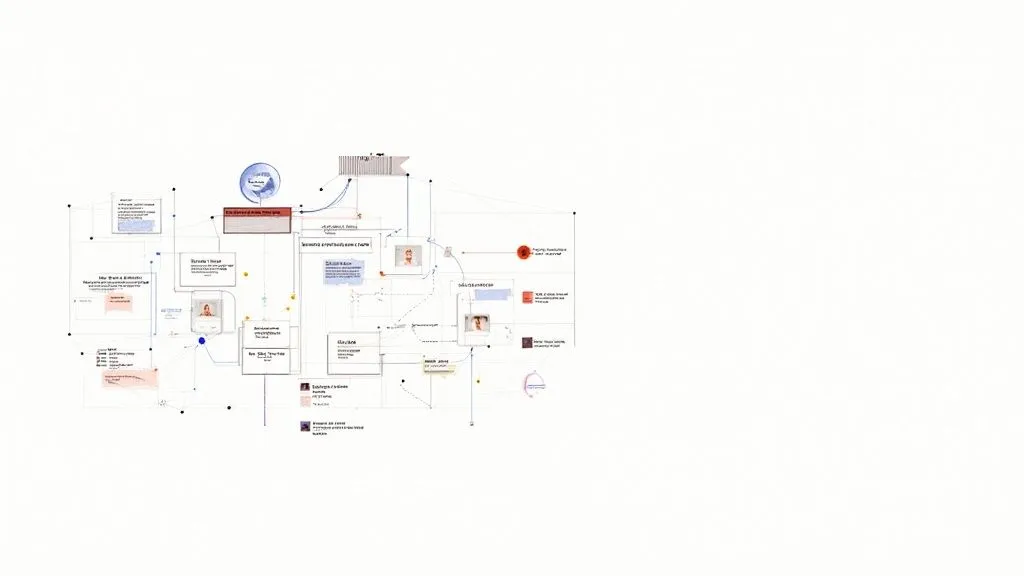
This practice is invaluable for security and compliance teams, where specific, niche expertise is often required to address complex customer queries or internal audits. Instead of sending out a mass email asking, “Who knows about FedRAMP High controls?”, a team member can quickly search the directory and find the designated subject matter expert. This accelerates problem-solving, prevents knowledge silos, and fosters a culture of collaboration.
How to Implement Expertise Directories
Start by integrating the directory with existing HR systems to pull foundational data, then empower employees to enrich their own profiles. This combined approach ensures accuracy while capturing the nuances of individual skills.
- Integrate with HRIS: Connect your directory to your Human Resources Information System (HRIS) to auto-populate basic information like role, department, and tenure. This creates a consistent baseline for every employee.
- Enable Self-Service Profiles: Allow employees to manage their own profiles, adding specific skills, project experience, certifications (e.g., CISSP, CISM), and areas of interest. This ensures the information is detailed and current.
- Use Tagging and Search: Implement a robust tagging system for both hard skills (e.g., ‘AWS Security’, ‘Penetration Testing’) and soft skills (‘Stakeholder Management’, ‘Technical Writing’). Ensure the directory is highly searchable to be effective.
Key Insight: An expertise directory is more than a digital contacts list; it’s a strategic asset for talent management and risk mitigation. When a key security engineer leaves, their documented expertise helps identify knowledge gaps and informs succession planning, ensuring critical capabilities are retained within the organisation.
10. Foster External Knowledge Integration
An internal knowledge base, no matter how well-organised, risks becoming an echo chamber if it ignores the outside world. One of the most forward-thinking best practices for knowledge management involves systematically integrating external intelligence. This means actively sourcing and embedding insights from customers, partners, industry bodies, and competitors to prevent organisational insularity.
For security and compliance teams, external knowledge is not a luxury; it’s a necessity. Understanding emerging threat landscapes, new regulatory interpretations from governing bodies, or customer security expectations is crucial for maintaining a proactive posture. A purely internal focus can lead to outdated security controls and compliance frameworks that no longer reflect market realities or evolving risks.
How to Implement External Knowledge Integration
Create structured channels to capture, synthesise, and disseminate external intelligence. This ensures valuable market and industry insights are not lost in email inboxes or meeting notes but are instead fed back into your central knowledge system.
- Establish Formal Feedback Loops: Systematically collect insights from customer-facing teams, such as sales engineers and customer success managers. Use a standardised process to log recurring security questions from RFPs or feedback on your compliance documentation.
- Monitor Industry and Regulatory Channels: Assign individuals or teams to monitor specific sources, such as ENISA updates, NCSC guidance, or key industry association bulletins. Their findings should be summarised and linked within the relevant knowledge base domains.
- Engage with Advisory Boards and Peers: Host regular advisory board meetings with key customers and partners to discuss security and compliance trends. Insights from these sessions should be formally documented and used to challenge and update existing policies and procedures.
Key Insight: Your knowledge base should not only reflect what your organisation knows but also what it learns from the outside. Integrating external intelligence transforms it from a static internal library into a dynamic system that adapts to the ever-changing security, compliance, and market landscape.
10-Point Knowledge Management Practices Comparison
| Approach | Implementation Complexity 🔄 | Resource Requirements ⚡ | Expected Outcomes 📊 ⭐ | Ideal Use Cases 💡 |
|---|---|---|---|---|
| Establish a Centralized Knowledge Repository | High 🔄 — requires taxonomy, integration, change management | Significant ⚡ — platform, storage, admins | Single source of truth; faster retrieval and reduced duplication 📊 ⭐⭐⭐⭐ | Large enterprises, regulated industries, onboarding |
| Implement Communities of Practice (CoPs) | Low–Medium 🔄 — set governance and cadence | Low ⚡ — participant time, lightweight tools | Improved tacit knowledge transfer and innovation 📊 ⭐⭐⭐ | Cross-functional learning, innovation networks |
| Create a Knowledge Management Culture | High 🔄 — long-term cultural change and leadership modeling | Medium–High ⚡ — training, incentives, ongoing programs | Sustained sharing, higher engagement and agility 📊 ⭐⭐⭐⭐ | Organizations seeking strategic transformation |
| Implement Mentorship and Apprenticeship Programs | Medium 🔄 — program design, pairing, monitoring | Moderate ⚡ — mentor time, coordination | Effective tacit transfer; faster skill development 📊 ⭐⭐⭐ | Onboarding, leadership development, trades |
| Utilize Documentation and Standardization | Medium 🔄 — templates, governance, review cycles | Moderate ⚡ — time to document and maintain | Consistency, fewer errors, compliance support 📊 ⭐⭐⭐⭐ | Process-driven teams, compliance-heavy sectors |
| Leverage Technology and Knowledge Management Systems | High 🔄 — integration, customization, adoption work | Significant ⚡ — licenses, implementation, maintenance | Scalable access, analytics, automation of knowledge flows 📊 ⭐⭐⭐⭐ | Distributed orgs, remote teams, large-scale knowledge needs |
| Create Regular Knowledge-Sharing Sessions | Low 🔄 — scheduling and facilitation | Low ⚡ — meeting time, basic tools | Increased visibility of expertise and cross-team learning 📊 ⭐⭐⭐ | Teams wanting continuous learning, tech talks |
| Implement Lessons Learned Processes | Medium 🔄 — structured reviews and follow-through | Moderate ⚡ — review time, tracking actions | Fewer repeated mistakes; improved project outcomes 📊 ⭐⭐⭐ | Project-based organizations, PMOs, high-risk projects |
| Develop Expertise Directories and Skills Mapping | Medium 🔄 — taxonomy, verification and updates | Moderate ⚡ — platform and profile maintenance | Faster expert discovery; better resourcing and succession 📊 ⭐⭐⭐ | Large orgs needing resource matching and skills planning |
| Foster External Knowledge Integration | High 🔄 — processes for sourcing and integrating external insights | Significant ⚡ — research, partnerships, monitoring | Fresh perspectives; market alignment and new opportunities 📊 ⭐⭐⭐ | R&D, product teams, market-driven organizations |
From Chaos to Control: Building Your Strategic Knowledge Asset
Embarking on a journey to refine your organisation’s approach to information is a significant undertaking. We’ve explored ten foundational best practices for knowledge management, moving from establishing a centralised repository and clear governance to leveraging advanced automation and measuring tangible outcomes. Each practice, from implementing Communities of Practice to developing robust review workflows, serves as a critical building block in constructing a system that is not just a passive library but a dynamic, strategic asset.
The core message throughout these practices is a shift in perspective. Effective knowledge management is not an IT project or a secondary administrative task; it is a fundamental business discipline. It is the connective tissue that links your security posture, compliance obligations, and commercial success. When your teams can instantly access accurate, policy-referenced information, the entire revenue cycle accelerates. The days of frantically searching through outdated spreadsheets and chasing down subject matter experts for security questionnaire answers can, and should, be a relic of the past.
Synthesising the Strategy: Your Actionable Takeaways
To truly transform your processes, it’s crucial to move from understanding these concepts to actively implementing them. Distilling our detailed exploration, the most critical takeaways can be organised into three core pillars of action:
Pillar 1: Foundational Governance and Structure. This is your starting point. You must establish unambiguous ownership for every piece of knowledge and centralise your information into a single source of truth. Without this, chaos will always find a way to creep back in. Define your content lifecycle from creation to archival, and ensure every policy and procedure is meticulously structured for clarity and discoverability.
Pillar 2: Intelligent Automation and Integration. Manual processes are the enemy of scale and accuracy. To stay ahead, you must leverage technology that automates the mundane but critical tasks. This includes using AI-powered tools like ResponseHub to parse complex documents, automate quality assurance checks, and provide confidence signals for every answer. This technological layer ensures your knowledge base is not only comprehensive but also reliably accurate and consistently maintained.
Pillar 3: Cultural Adoption and Continuous Improvement. A system is only as good as the people who use it. You must actively foster a culture of knowledge sharing where contributing to and maintaining the central repository is seen as a shared responsibility. Implement structured review workflows, onboard new team members effectively, and, most importantly, use metrics to measure effectiveness. Tracking metrics like response times and content accuracy makes the value of your efforts visible and provides the data needed for continuous refinement.
Your Next Steps Towards a Cohesive Knowledge Ecosystem
Moving forward, the goal is to weave these best practices for knowledge management into the very fabric of your security and compliance operations. This isn’t about a one-time clean-up project; it’s about building an evergreen system that delivers compounding returns in efficiency, accuracy, and customer trust. By embracing this structured approach, you dismantle information silos and empower every member of your team, from sales engineers to GRC managers, with the knowledge they need to excel.
The journey from scattered documents to a cohesive strategic asset is a deliberate one, but the rewards are transformative. You build a resilient, scalable foundation that not only answers today’s security questionnaires with speed and precision but also prepares your organisation for the compliance challenges of tomorrow. You turn a reactive, often stressful process into a proactive, controlled, and data-driven function that becomes a genuine competitive advantage.