· Jane Iamias · what is proposal writer · 18 min read
what is proposal writer: How they win contracts
what is proposal writer: Discover the skills, tools, and strategies used to win contracts in the UK.
At its core, a proposal writer is a business strategist who uses words to win contracts. They are the architects of persuasion, responsible for building a compelling case that perfectly bridges a client’s problem with their company’s solution. Forget thinking of them as simple wordsmiths; they’re more like detectives, piecing together clues to present an argument that’s impossible to ignore.
The Strategist Behind the Winning Bid
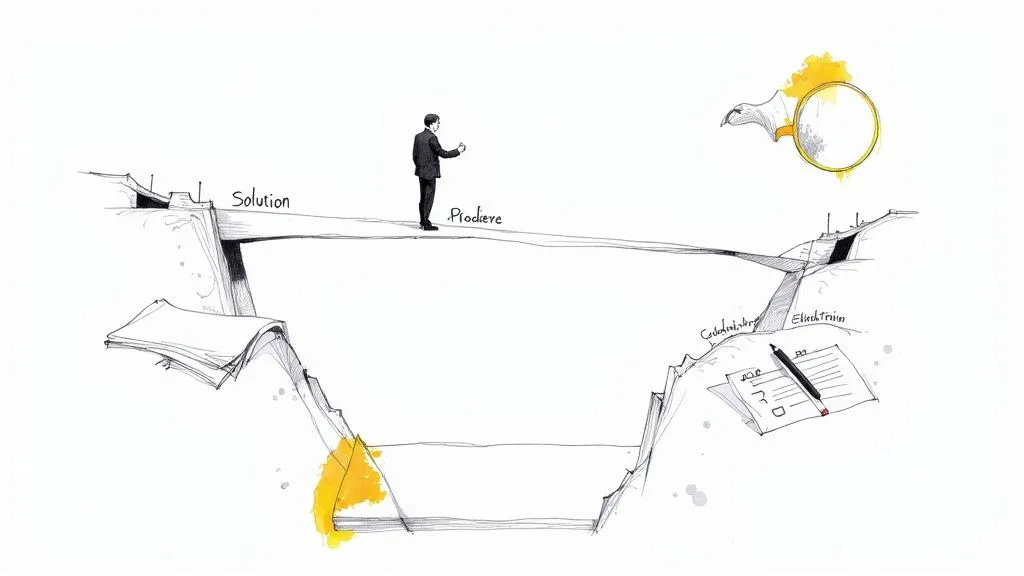
When an organisation wants to land a high-stakes contract, they can’t just send over a price list. They need a detailed, persuasive proposal, and the proposal writer is the one who makes it happen. Their work starts long before a single word is written. It begins with dissecting a client’s request—often called a Request for Proposal (RFP)—to truly understand what’s needed, both on the surface and between the lines.
This role is absolutely vital for businesses trying to compete in the UK, especially when it comes to formal bidding. To get a better handle on that process, take a look at our guide on what tenders are and how to navigate contracts.
Blending Art and Science
The best proposal writers masterfully combine creative storytelling with sharp project management. It’s a real mix of skills.
Day-to-day, they’re responsible for:
- Deconstructing Client Needs: Picking apart RFPs to spot key requirements, how they’ll be judged, and any potential deal-breakers.
- Developing a Win Strategy: Working closely with sales teams and technical experts to figure out what makes their offer unique and how to highlight that value.
- Gathering and Synthesising Information: Interviewing internal experts to turn complicated technical jargon into clear, client-friendly benefits.
- Crafting the Narrative: Weaving all that information together into a story that’s not only persuasive but also ticks every box in the client’s request.
A great proposal writer doesn’t just answer questions; they anticipate them. They build a narrative that proves their company is not just a viable option but the only logical choice for the client.
Technology has had a huge impact on the role, too. Here in the UK, automation and AI are changing the game. Modern tools have been shown to speed up proposal creation by as much as 70%, freeing writers from tedious jobs like formatting. If you’re curious, you can find more insights about the future of business proposals on Outbooks. This shift lets writers spend their time on what really matters: strategy and customisation. That’s where the real value is.
A Day in the Life of a Proposal Writer

Forget the image of a writer tucked away in a quiet corner, crafting beautiful prose. The reality of a proposal writer’s day is far more dynamic—a blend of detective work, project management, and strategic storytelling. It rarely starts with a blank page.
Instead, the morning often kicks off with dissecting a complex Request for Proposal (RFP). Think of an RFP as both a detailed instruction manual and a high-stakes exam. The writer’s first job is to pull it apart, identifying every single mandatory requirement, question, and hidden trap.
This forensic analysis is absolutely critical. Overlook one tiny detail, and the whole proposal could be disqualified before anyone even reads it. Once all the requirements are mapped out, the writer slips into the role of a project manager, laying out a clear timeline and assigning tasks to the right experts across the company.
From Strategy to Collaboration
With a solid plan in place, the real work begins: building the “win strategy.” This isn’t about just ticking boxes and answering questions. It’s about crafting a compelling story that shows the client why your company is their only logical choice.
To do this, the proposal writer becomes a collaborator-in-chief, working shoulder-to-shoulder with subject matter experts (SMEs)—the engineers, sales directors, and security specialists who hold the technical knowledge.
They spend their time translating dense technical jargon into clear, persuasive benefits that resonate with the client. It’s their job to ask the tough questions, digging deep to find the real value behind a product feature. The whole process follows a well-trodden path:
- Kick-off Meeting: Getting everyone in a room (virtual or otherwise) to align on the strategy, key messages, and deadlines.
- Content Gathering: Interviewing SMEs, chasing down data, and collecting relevant case studies and technical documents.
- Drafting and Writing: This is where the magic happens—weaving all that raw information into a coherent, persuasive narrative.
- Review Cycles: Managing feedback from multiple teams, often through formal “Red Team Reviews,” to poke holes in the argument and strengthen the final document.
The real challenge for a proposal writer isn’t just writing well; it’s orchestrating a symphony of experts, deadlines, and client needs to produce a single, compelling document that wins the deal.
The final stretch is always the most intense. The writer is responsible for chasing down final approvals, conducting one last meticulous quality check, and making sure the submission lands perfectly on time. It’s a high-pressure, deadline-driven world where being organised is every bit as important as being a great writer. From that first RFP to the final submission, the proposal writer is the central hub holding the entire effort together.
The Skills That Separate Good from Great

While being a brilliant writer is the bedrock of the job, what truly makes a proposal writer exceptional is a much broader mix of skills. The best in the business aren’t just wordsmiths; they’re part strategist, part project manager, and part diplomat, all rolled into one. They need a unique toolkit to steer complex projects to success, often under serious pressure.
These skills aren’t optional extras. They’re what make the difference between a proposal that lands on the “yes” pile and one that’s binned before the second page. A single missed detail in a dense tender document can get you disqualified instantly, which is why a hawk-like eye for detail is a proposal writer’s superpower. The real experts are the ones who can juggle tight deadlines and chase down information from a dozen different departments without breaking a sweat.
The Core Skill Set
To deliver winning proposals time and again, every writer needs to have a few key abilities down pat. Think of these as the non-negotiables.
- Flawless Writing and Editing: This is more than just perfect grammar. It’s about taking dense, technical information and making it crystal clear. It’s about building a compelling story that shows you understand the client’s problems inside and out.
- Sharp Research Capabilities: A great writer becomes a temporary expert on the client’s world. They dig deep to understand the industry, the specific challenges, and what competitors are offering, using these insights to make every sentence count.
- Disciplined Project Management: Keeping track of deadlines, versions, and feedback from multiple people is a constant juggling act. Impeccable organisation is the only way to make sure nothing crucial falls through the cracks.
Beyond putting words on a page, a top-tier proposal writer has to be a master of influence. They need to employ effective stakeholder engagement strategies to build trust and pull critical details from subject matter experts who often have other priorities. This knack for collaboration is essential for getting the best information into the document.
An exceptional proposal writer doesn’t just answer the client’s questions. They understand the unstated goals and weave a solution that proves their company is not just a vendor, but a long-term strategic partner.
This drive for efficiency is a crucial competitive factor for UK businesses. Recent industry data from Loopio shows the average time to write an RFP has dropped from 30 hours to just 25 hours. That’s a 16.7% reduction, mostly down to smarter software and AI tools. This shift means writers have to be both strategic thinkers and comfortable with new technology.
For anyone looking to get ahead, learning how to write a tender that wins contracts is the perfect place to start building these skills.
Hiring In-House vs a Freelance Expert
So, you need a proposal writer. The big question is, do you bring someone onto the team full-time, or do you hire a freelance expert for specific projects? This is a crucial decision, and there’s no single right answer. It really boils down to your company’s workflow, budget, and just how many proposals you’re churning out.
Let’s break down what each option looks like in the real world.
The Case for an In-House Writer
An in-house writer quickly becomes part of your company’s DNA. They’re immersed in your culture, they understand the nuances of your services inside-out, and they’re right there when a last-minute opportunity lands on your desk.
This deep-seated knowledge is their superpower. They can write proposals that perfectly capture your brand’s voice and hit all the right strategic notes, often without needing a lengthy brief every single time. They get it because they live it.
The flip side, of course, is the cost. A full-time salary, benefits, and ongoing training add up to a significant fixed expense. If you only bid on a few major projects a year, you might find your expert is twiddling their thumbs during the quiet spells, which isn’t a great use of resources.
The Case for a Freelance Proposal Writer
This is where freelancers really shine. Hiring a freelance expert gives you incredible flexibility. You can bring in top-tier talent precisely when you need it and scale back just as easily. You’re paying for a specific project, not a permanent headcount, turning a fixed cost into a manageable variable expense. This is a game-changer for businesses with an unpredictable pipeline.
Freelancers also bring a fresh perspective and a diverse portfolio of experience. Many specialise in specific sectors, so you can find someone who already knows the ins and outs of technology, healthcare, or government bids. That kind of targeted expertise can be the difference-maker when you’re navigating a complex procurement process. To learn more about that, our guide to mastering the process of procurement is a great resource.
The UK’s freelance market is thriving, with a huge pool of talent specialising in business support. Out of roughly 4.38 million self-employed workers in the UK, a solid 22% are in ‘Business Support’ roles—a field where skilled proposal writers are always in demand. You can find more data on the UK’s freelance economy on Mode Insurance.
The right choice depends on your rhythm of business. For a steady, high volume of bids, an in-house writer provides consistency. For fluctuating, specialised needs, a freelancer offers targeted expertise on demand.
Comparing In-House and Freelance Proposal Writers
To help you weigh the pros and cons, here’s a straightforward comparison that breaks down the key differences between the two hiring models.
| Factor | In-House Proposal Writer | Freelance Proposal Writer |
|---|---|---|
| Cost Structure | Fixed overhead (salary, benefits, pension) | Variable expense (pay-per-project or hourly) |
| Availability | Full-time, readily available for urgent tasks | Available for agreed-upon project timelines |
| Company Knowledge | Develops deep, long-term institutional knowledge | Requires a detailed brief for each new project |
| Expertise | Becomes an expert in your specific products/services | Often brings broader industry or niche-specific expertise |
| Flexibility | Less flexible; a permanent addition to the team | Highly flexible; scales up or down with your needs |
| Onboarding | Requires initial training and integration into the team | Minimal onboarding; focused on immediate project delivery |
Ultimately, whether you choose an in-house expert or a freelancer depends entirely on your business goals and operational realities.
Making the Right Decision
To figure this out, take an honest look at your business. Ask yourself these questions:
- How often do we submit proposals? If you’re bidding week in, week out, an in-house writer is probably the more cost-effective choice. If it’s just a handful of big ones per year, a freelancer makes more financial sense.
- How complex are our proposals? For bids that are highly technical or require a deep, nuanced understanding of your internal workings, an in-house writer has a clear advantage.
- What is our budget? A freelancer helps you sidestep the long-term financial commitment of a full-time salary, which can be a huge plus for growing businesses.
The end goal is simple: find a solution that ensures you have the right expertise on hand the moment a must-win opportunity comes along.
Essential Tools for the Modern Proposal Writer
 These days, a proposal writer is as much a tech navigator as they are a wordsmith. The toolkit has moved way beyond a simple word processor. It’s now packed with specialised software built to make the whole process faster, better, and more likely to win.
These tools don’t replace the human touch; they amplify it. By taking care of the repetitive, time-consuming tasks, they free up the writer to concentrate on what really matters: developing a winning strategy, customising content to speak directly to a client’s needs, and making the proposal truly stand out from the competition.
Core Software Categories
A proposal writer’s modern toolkit usually pulls from three main software categories. Each one plays a specific role in managing the journey from that first request to the final submission. Whether you’re working in-house or as a freelancer, having the right essential productivity tools is non-negotiable for juggling the job’s many demands.
Let’s break them down:
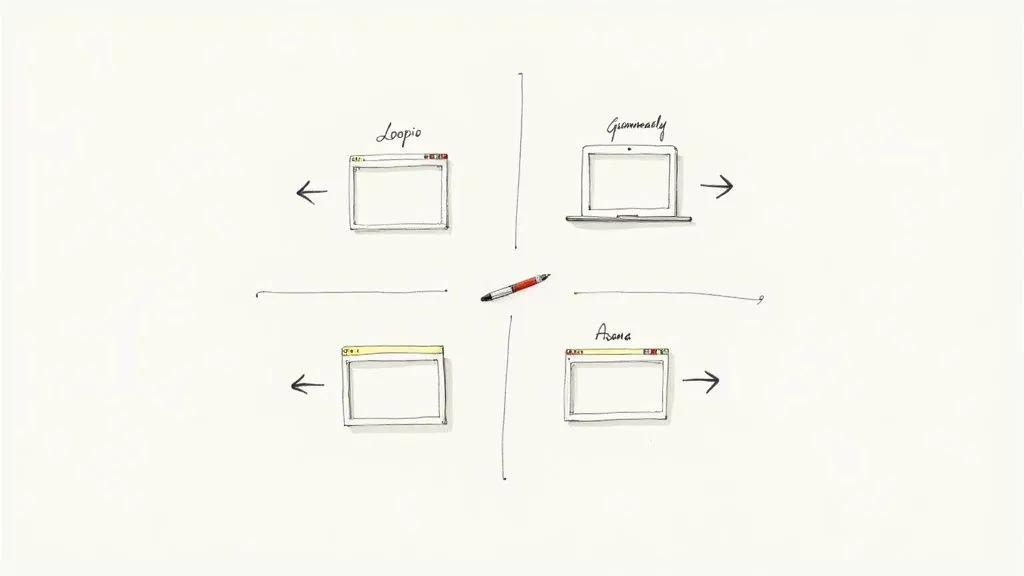
Proposal Management Platforms: Think of these as your mission control. Software like Loopio or RFPIO is essentially a smart library for all your past proposal content. When a new RFP lands on your desk, these platforms use AI to pull up relevant, pre-approved answers, saving you from endless hours of digging through old documents.
AI-Powered Writing Assistants: Tools like Grammarly are an absolute must-have. They go far beyond a simple spell check to help you polish every single sentence. They’ll suggest ways to improve clarity, fix the tone, and keep the writing concise—a real lifesaver when multiple people are contributing to one document.
Project Management Systems: Keeping track of deadlines, assigning tasks, and chasing feedback is a huge part of the job. Platforms such as Asana or Trello give you a clear, visual map of the entire project, so you can see exactly where everything stands and make sure no detail gets missed.
A modern proposal writer uses technology not just to write faster, but to think smarter. The right tools create the space needed for strategic thinking, transforming the role from a content producer into a true bid strategist.
The Strategic Advantage of Technology
At the end of the day, the goal of this tech stack is to build a more powerful and efficient proposal machine. These platforms help you create a single source of truth, ensuring every piece of content is consistent and accurate across all your bids. This organised approach means you can jump on new opportunities faster and with higher-quality responses.
This kind of support lets a proposal writer focus their expertise where it has the most impact: getting to the heart of what a client truly needs and building a solution that’s simply too good to pass up. It’s this blend of human insight and tech-driven efficiency that really defines a successful proposal writer today.
How to Hire a Winning Proposal Writer
Finding the right proposal writer isn’t about ticking boxes on a CV; it’s about finding a true business strategist. A polished résumé is a good start, but the real proof is in their ability to translate complex requirements into a compelling, winning argument.
When you’re vetting candidates, look past generic writing samples. Ask to see a portfolio that doesn’t just show off the final document, but also talks about the results. A top-tier candidate will know their win rates and be able to walk you through the strategic thinking that got them there. Their portfolio should tell a story of impact, not just a list of tasks they completed.
Probing for Strategic Depth
To sort the talented writers from the genuine strategists, you need to dig deeper in the interview. Your questions should make them think on their feet and show you how they solve problems under pressure. Vague questions will only get you polished, rehearsed answers.
Instead, throw them some real-world scenarios that reveal how they actually operate. For example:
- “Walk me through your process for a proposal where our solution doesn’t tick every single box in the requirements.” This tests their honesty, creativity, and skill in framing potential weaknesses as strengths or offering clever workarounds.
- “How do you handle a Subject Matter Expert (SME) who insists on packing the proposal with overly technical jargon?” This uncovers their ability to collaborate and persuade—two skills that are absolutely essential for the role.
- “Tell me about a time you turned what looked like a certain loss into a surprising win. What was your strategy?” This invites a success story that puts their strategic thinking and resilience front and centre.
A winning proposal writer doesn’t just assemble answers from different departments. They craft a compelling narrative that anticipates objections and guides the client towards a confident ‘yes’. They see the proposal as a game of chess, not just a document to be filled out.
The Practical Evaluation Task
The final hurdle should always be a practical test. Don’t ask them to write an entire proposal from scratch—that’s a huge, unpaid ask. Instead, give them a sanitised Request for Proposal (RFP) from a past project and a clear, focused task.
Ask your finalist to spend an hour reviewing the document and then present a high-level response strategy. They should be able to pull out the key win themes, spot potential risks, and outline a clear plan of attack. This simple exercise will tell you far more about their strategic mind than any writing sample ever could. After all, it’s how they think that you’re really hiring them for.
A Few Common Questions About Proposal Writing
If you’re thinking about becoming a proposal writer or hiring one, a few questions probably spring to mind straight away. It’s a unique role that sits at the crossroads of strategy, writing, and project management, so it’s only natural to want a clearer picture of what the job actually involves.
Let’s dive into some of the most common queries.
What’s the Difference Between a Proposal Writer and a Grant Writer?
This is a great question, and the answer comes down to who you’re writing for and why. While both roles are all about persuasive writing to secure funding, their worlds are quite different.
A proposal writer is usually in the commercial ring, fighting to win business. They respond to formal Requests for Proposals (RFPs) from companies or government bodies, aiming to land a contract for a specific product or service. Their entire focus is on demonstrating commercial value, outshining the competition, and proving their solution is the best one for the job.
A grant writer, on the other hand, typically works in the non-profit or research sector. They write applications to foundations, trusts, and government agencies to secure funding for things like community projects, scientific research, or charitable causes. Their argument isn’t about profit; it’s about aligning with the funder’s mission and showing the potential for social impact.
How Much Can I Expect to Earn as a Proposal Writer in the UK?
As with most roles, salaries really depend on your experience level, the industry you’re in, and where you’re based. But here’s a general idea of what you can expect in the UK market:
- Entry-level roles: Someone just starting out can typically expect to earn between £25,000 and £35,000 per year.
- Experienced writers: Once you have a few years and some solid wins under your belt, salaries tend to be in the £40,000 to £60,000+ bracket.
- Proposal Managers & Senior Roles: For those leading teams or managing the entire bid process, salaries often push well past £60,000.
- Freelance day rates: If you go the freelance route, you can often charge between £250 and £500+ a day. Your rate will depend heavily on the complexity of the project and your own track record.
Do I Need a Specific Degree to Become a Proposal Writer?
Not really. There isn’t one single “proposal writing” degree that everyone has. You’ll find people in this field with backgrounds in English, Journalism, Communications, or even Business. What matters far more than your specific degree are your actual skills.
At the end of the day, it’s exceptional writing, sharp project management abilities, and genuine industry knowledge that make a great proposal writer. Certifications from bodies like the Association of Proposal Management Professionals (APMP) are also highly respected and can give your career a serious boost.
Will AI Make Proposal Writers Redundant?
In a word, no. Think of AI as an incredibly powerful assistant, not a replacement. AI tools are fantastic for handling the grunt work – things like pulling standard “boilerplate” content, checking for grammatical errors, or even helping to structure a first draft. This frees up the human writer to be more efficient.
But AI can’t do the most important parts of the job. It can’t develop a clever win strategy, understand the subtle nuances of a client’s pain points, or come up with a truly creative solution that sets your bid apart. The future of this profession belongs to the writers who learn to work with AI, using it to handle the routine tasks so they can focus their brainpower on the high-value strategy and creative thinking that actually wins deals.