Key Takeaways
- Security questionnaires, DDQs, and RFPs are the single biggest time sink in most B2B pre-sales workflows, and answering them manually is what slips deals from this quarter to next.
- Automating responses with a policy-grounded tool takes a questionnaire from five days of back-and-forth to a reviewed submission in hours.
- A centralised single source of truth (policies, past responses, compliance evidence) stops your team guessing every time a new questionnaire arrives.
- Pulling a senior engineer into every review is the hidden cost of the manual approach. Give pre-sales a self-serve tool and engineers only review the edge cases.
- Making your existing team dramatically more efficient lets you handle far more inbound reviews without hiring, protecting margins as your pipeline grows.
Your pre-sales function should be closing deals. Instead, half the team’s time gets eaten by security questionnaires, RFP responses, and chasing down the right person to answer question 247 of a vendor risk assessment.
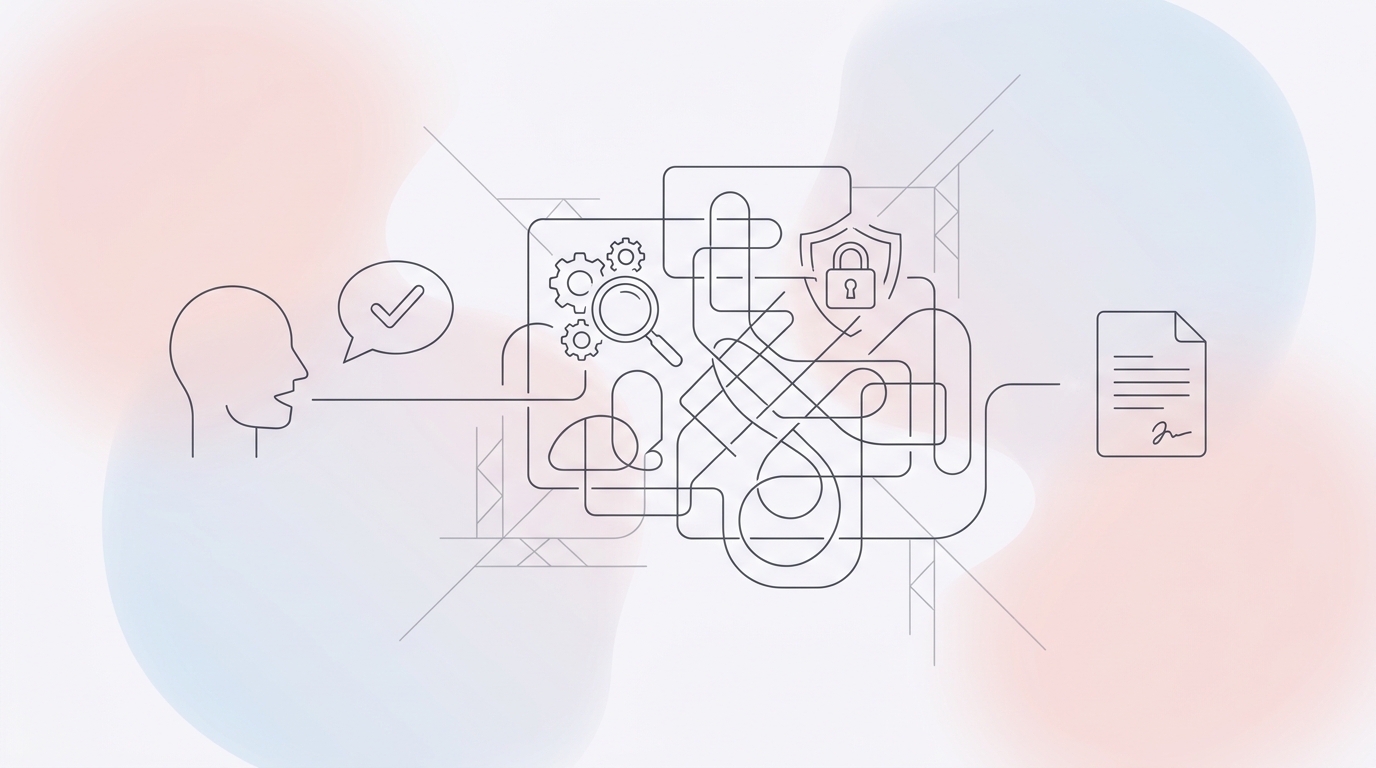
If you’re a CTO or sales leader at a B2B SaaS company, you’ve watched this play out: a promising deal stalls for a week because a prospect sends over a 300-question spreadsheet and nobody knows who owns it. The rep pings Slack. The engineer groans. Somebody digs through Google Drive for a policy doc that may or may not be current. It’s a drain, and it doesn’t scale.
Here are five concrete ways to fix your pre-sales motion and get your team back to the work that actually moves revenue. If you want the deeper diagnosis of why this happens, we cover it in Security Questionnaires Are Stalling Your Deals.
1. Automate security questionnaire and RFP responses
The single biggest time sink in most B2B pre-sales workflows is answering security questionnaires, DDQs (due diligence questionnaires), and RFPs manually. A tool like ResponseHub uses a RAG pipeline (retrieval-augmented generation, meaning the AI pulls answers from your actual policies, not generic training data) to draft responses that cite the exact document, page, and section.
You go from five days of back-and-forth to a reviewed, submitted questionnaire in hours. That’s not a marginal improvement. That’s the difference between a deal closing this quarter and slipping to next. For a wider view of the approaches teams take, see 5 ways to automate security questionnaires.
2. Build a single source of truth your whole team can use
Most pre-sales teams cobble together answers from a mix of Google Docs, old spreadsheets, Slack threads, and whatever the CTO remembers from the last SOC 2 audit. That leaves your team guessing every time a new questionnaire shows up.
Build a centralised knowledge base where your ISO 27001 policies, SOC 2 evidence, NIST CSF mappings, and previous questionnaire responses all live in one searchable location. At low volume, a well-organized shared drive with a clear naming convention works. As volume grows, a purpose-built platform that indexes your policies and generates draft answers from them will save your team hours every week. Our guide on how to maintain your security questionnaire knowledge base walks through keeping that single source of truth current.
3. Remove the engineer bottleneck from security reviews
Here’s a pattern that plays out at almost every SaaS company between seed and Series B: a security questionnaire arrives, the sales rep doesn’t know the answers, so they pull in a senior engineer or the CTO. That engineer loses half a day (or more) context-switching away from product work. Multiply that by ten questionnaires a month and you’ve got a full-time job nobody signed up for.
The fix is giving your pre-sales or RevOps team a self-serve tool that drafts technically accurate responses without needing an engineer in the loop for every question. Engineers review edge cases. The tool handles the 80% that’s repeatable. Getting this split right is really a handoff problem, which we break down in why your sales team hates security reviews (and how to fix the handoff).
4. Track and improve your response accuracy over time
Every security questionnaire your team completes is training data for the next one. If you’re not capturing approved answers and feeding them back into your process, you’re doing the same work over and over.
Build a feedback loop: when an analyst approves or corrects a drafted answer, that correction becomes the baseline for future responses. You can manage this with a tagged spreadsheet at small scale, or use a dedicated questionnaire platform that captures corrections automatically. Over a few months, you’ll notice questionnaires that used to take a full day now take a couple of hours because the hard questions have already been answered and verified. If you want to put numbers on that improvement, see which response metrics to measure and why.
5. Scale pre-sales capacity without scaling headcount
Hiring another pre-sales engineer or compliance analyst every time questionnaire volume doubles is expensive and slow. The better path is to make your existing team dramatically more efficient.
When your questionnaire responses are automated, your knowledge base is current, and your engineers aren’t getting pulled into every review, the same team that handles 15 questionnaires a month can handle 40. That’s how you protect your margins while growing your pipeline. It’s the same reason small teams handle security questionnaires without a dedicated compliance department, and it’s worth understanding the cost of the manual approach you’re replacing. Tools like ResponseHub are built specifically for this: self-serve, no long onboarding, free trial, get started in under five minutes and see the difference on your next inbound questionnaire.
Frequently Asked Questions
What types of questionnaires can a pre-sales automation tool handle?
Most tools handle the common formats: security questionnaires, DDQs, RFPs, HECVAT, CAIQ, and custom vendor risk assessments. If it arrives as a spreadsheet (XLSX, CSV) or PDF, a tool like ResponseHub can process it and draft responses grounded in your uploaded policies.
Do I need SOC 2 or ISO 27001 certification before using questionnaire automation?
No. You can upload whatever policies and documentation you have today. The tool works with your existing security posture. As your compliance program matures (for example, when you achieve SOC 2 Type II or ISO 27001 certification), you update the knowledge base and future responses reflect those changes automatically.
How accurate are AI-generated questionnaire responses?
Accuracy depends on the tool’s approach. Generic AI models hallucinate answers. A purpose-built tool like ResponseHub uses retrieval-augmented generation (RAG) to pull answers directly from your uploaded policies, citing the exact source document, page, and section. Every answer is reviewable by a human before submission.
Will this replace my pre-sales team?
No. It makes your existing team faster and frees them to focus on higher-value work like prospect calls, technical demos, and deal strategy. The AI handles the repetitive 80% of questionnaire responses. Your team reviews, approves, and handles the nuanced questions that need human judgment.
How long does it take to get started with a tool like ResponseHub?
You can get started in under five minutes. Upload your existing policy documents (PDFs, spreadsheets), and the system begins generating answers immediately. There’s no multi-week implementation or mandatory sales call. It’s completely self-serve with a free trial.
The bottom line
Your pre-sales function is a revenue engine, not an administrative burden. But it becomes one when your team spends more time filling out spreadsheets than talking to prospects.
Automating the repetitive work (security questionnaires, DDQs, RFPs) and giving your team a process that scales without extra headcount is the fastest way to reclaim those hours. If you’re spending more than a few hours on any single questionnaire, something is broken. Start with a tool like ResponseHub, upload your policies, and see how fast you can clear that backlog. No sales call needed.