Why Security Questionnaires Are So Hard to Operationalise
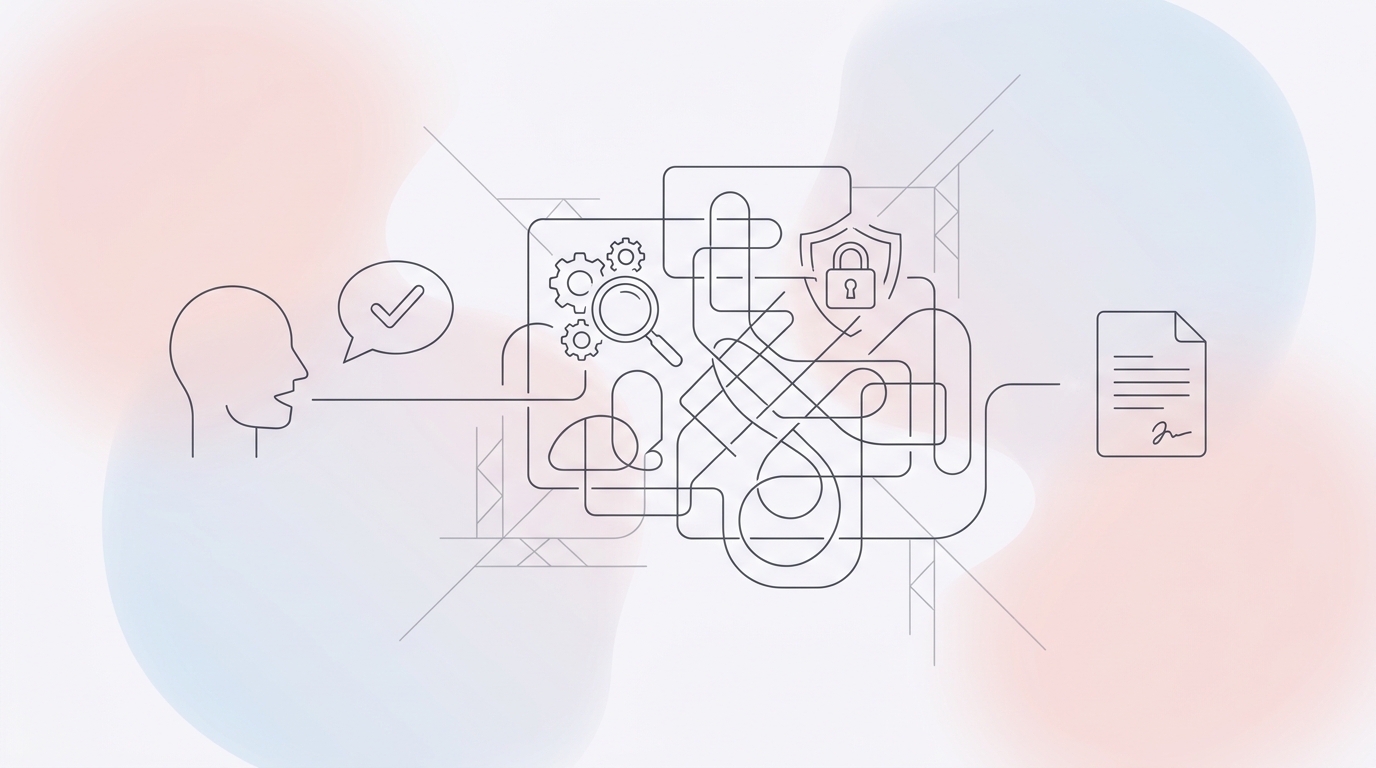
Security questionnaires touch engineering, legal, HR, product, and compliance, but nobody owns the process end to end. That's why they take weeks instead of hours.

Security questionnaires touch engineering, legal, HR, product, and compliance, but nobody owns the process end to end. That's why they take weeks instead of hours.

Procurement teams can tell when your security questionnaire answers came straight out of a chatbot. Here are 11 tells that give away AI-generated vendor responses, and how to fix each one.

The most common vendor security questions SaaS teams face in 2026, with model answers and the reasoning behind each. Stop scrambling, start answering with confidence.

If you sell more than one product, you are probably sending the wrong security questionnaire answers to buyers without realizing it. Here is how to structure your knowledge base so the right answers surface for the right product, every time.

Security reviews stalling your pipeline? Here are 5 practical ways to speed up pre-sales, from automating questionnaires to freeing engineers for product work.

A Corporate Criminal Offence (CCO) policy sets out how your organisation prevents the facilitation of tax evasion under the Criminal Finances Act 2017. This guide explains what one is, why it matters, and how to create one with practical examples.

The depth of a security review is remarkably predictable by deal size. Here's exactly what to expect at each ACV tier, with readiness checklists so you can prepare before the questionnaire hits your inbox.

A Record of Processing Activities (ROPA) is a mandatory GDPR requirement under Article 30. This guide explains what it includes, who needs one, and how to build yours with practical examples.

Security questionnaires are a hidden deal-killer for SaaS startups. This guide breaks down why they take so long, why common workarounds fail, and how to build a system that completes them in hours instead of days.

Enterprise security questionnaires touch IT, legal, HR, finance, and engineering simultaneously. The answers are usually knowable. The coordination to get them is where everything falls apart.

A category-by-category guide to the most common risk assessment questions on vendor security questionnaires, with a reusable framework for answering each one with precision and speed.

A practical guide to Data Protection Impact Assessments (DPIAs) covering when they're required under GDPR, what goes into them, and three real-world examples showing the process in action.

From Excel spreadsheets to portal lockdowns, here are the 5 security questionnaire formats your team will face in 2026 and how to handle each one fast.

We tested and compared the seven security questionnaire automation tools that matter most for B2B SaaS teams in 2026 -- what each does well, who it fits, and how to choose.

Most teams treat security questionnaires as a cost to be endured rather than a process to be measured. Here are the metrics that tell you whether your response process is actually working -- and what each one is trying to fix.

DORA has changed how European financial firms vet their software vendors. Here's what the new rules mean for security questionnaires, contracts, and ongoing oversight in 2026.

A repeatable, step-by-step process small teams can use to cut security questionnaire response time in half, even without a dedicated compliance staff.

Enterprise buyers are checking the CSA STAR Registry before they even send you a questionnaire. If your SaaS company hasn't published a CAIQ, you're creating friction in deals you don't even know about yet.

Your prospect just sent you an 800-question spreadsheet called a SIG and the deal is stalled until you return it. Here's exactly what the SIG questionnaire covers, how it maps to frameworks you already know, and how to stop spending 10 days on every one.

Vendor risk assessment questionnaires are getting longer, more frequent, and more demanding. If your team is still treating each one as a one-off fire drill, you are losing deals to competitors who have systematised the process.